Cole Camp MO Connectivity Study
What: Rock Island Trail connection study to town and bike/ped routes in town
When: 2022
Team: BikeWalkKC, MRT
Client: Cole Camp, Missouri
Funding: Active Living Communities of Practice (ALCP) Grant Program
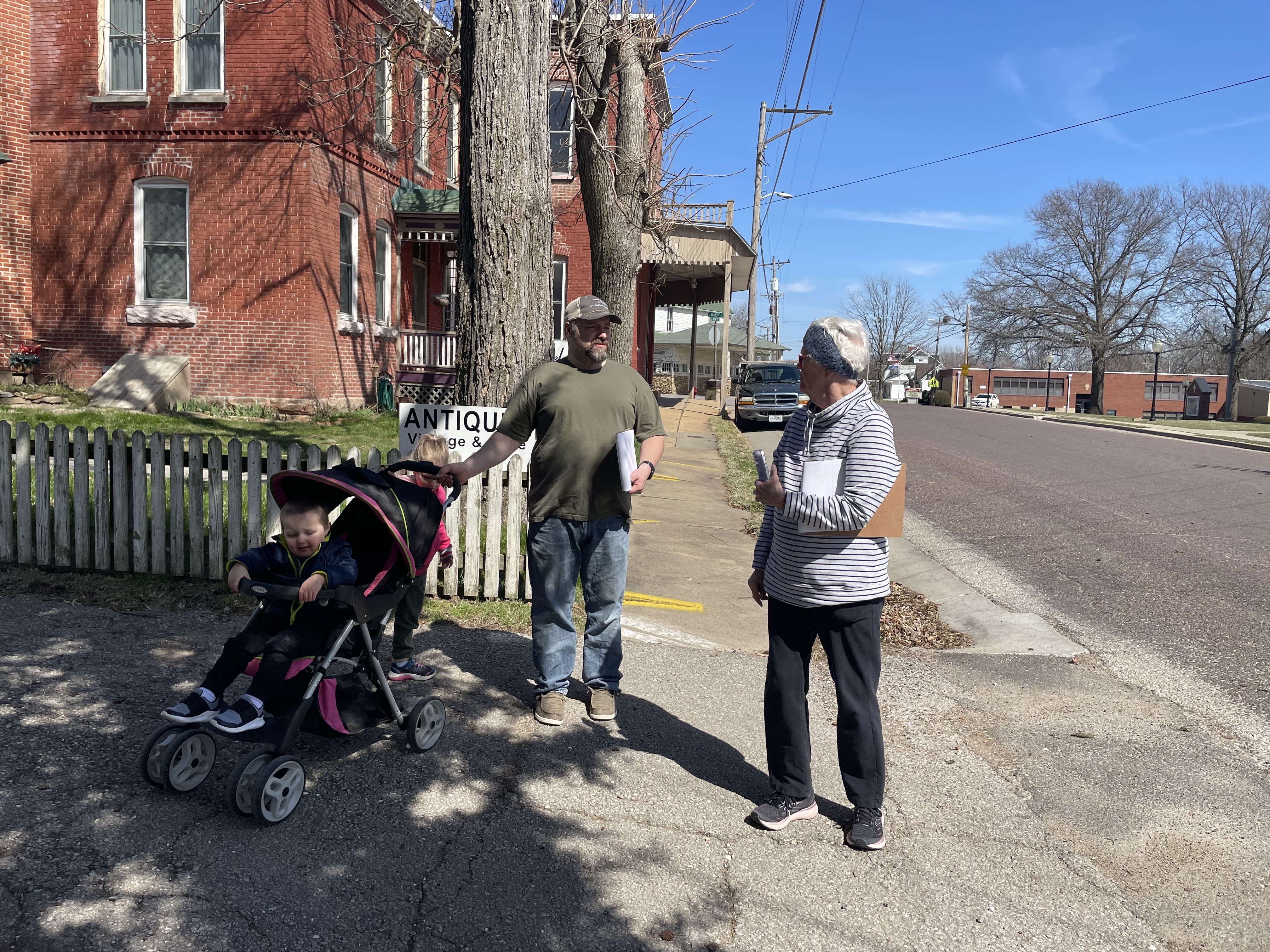
A small but mighty group of community volunteers came together to bring walking and biking to the forefront of Cole Camp City officials. Eager to capitalize on the momentum of the Rock Island Trail development, several community champions used some grant funding to hire BikeWalkKC to put together a plan for their future.
In addition to the need for safe walking and biking routes in Cole Camp, the community also has an opportunity to connect to a linear state park. Approximately two miles north of City limits is the Rock Island Trail (RIT), which is owned by the Missouri Department of Natural Resources (MODNR) who plans to develop the 154 miles of the former Chicago, Rock Island and Pacific Railroad corridor. Development of the RIT will occur in sections over several years. The Cole Camp community recognizes the importance of developing their segment of the RIT, and this Connectivity Study evaluates how to prepare the City to do so. With the momentum statewide to construct all components of the Rock Island Trail, the National Park Service’s (NPS) Rivers, Trails and Conservation Assistance (RTCA) program is actively engaging with communities along the trail to design trailheads, amenities, and how the trail will conveniently draw users into the communities it passes through.
Cole Camp faces a challenge of how to connect the RIT to city limits in a safe and convenient manner for residents and visitors alike. Currently, the only bikeable connections from city limits to the RIT are on Highway U, a 55 mile per hour (MPH) roadway with curves and hills, or a chunky gravel road along the Hi Lonesome Prairie that isn’t suitable for most bike tires.
This Connectivity Study layered information from the community engagement process and the existing conditions analysis, which identified the key corridors in town to prioritize for walking and biking amenities, the preferred alignment to connect Cole Camp to the RIT, and what types of amenities to offer at the future RIT trailhead. At the completion of the Connectivity Study, Cole Camp community members pursued Transportation Alternatives Program (TAP) funding and received $1 million to start funding the RIT segment that runs through Cole Camp.
Read the full plan here.