What is tactical urbanism?

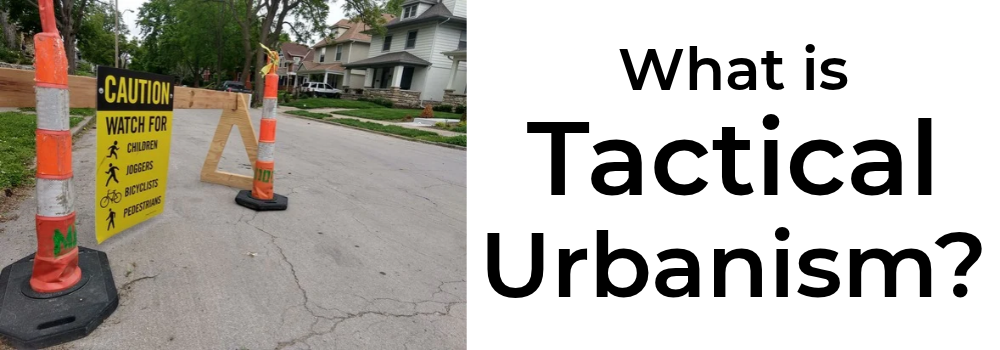
Tactical urbanism is a way to address something we all have probably felt at some point or another. When the city hasn’t given you what you need to make your neighborhood safer, more connected or even simply more fun, you wish you could do it yourself. Well in some instances, you can! Tactical urbanism is neighbors saying, we want it, so we’re making it happen. The “who” is the community and the “how” is by making physical infrastructure changes to public spaces like sidewalks, streets, curbs and unused land in order to make the infrastructure better serve the needs of the community.

While you wait for the city to make permanent changes, tactical urbanism can create awareness, show community interest, and temporarily improve safety. In some instances, it’s spending $100 for a short term change while you advocate for $40K to be approved for the permanent change later.

What Can We Create? 

Keep in mind that depending on the location and nature of the project, you may need a permit.

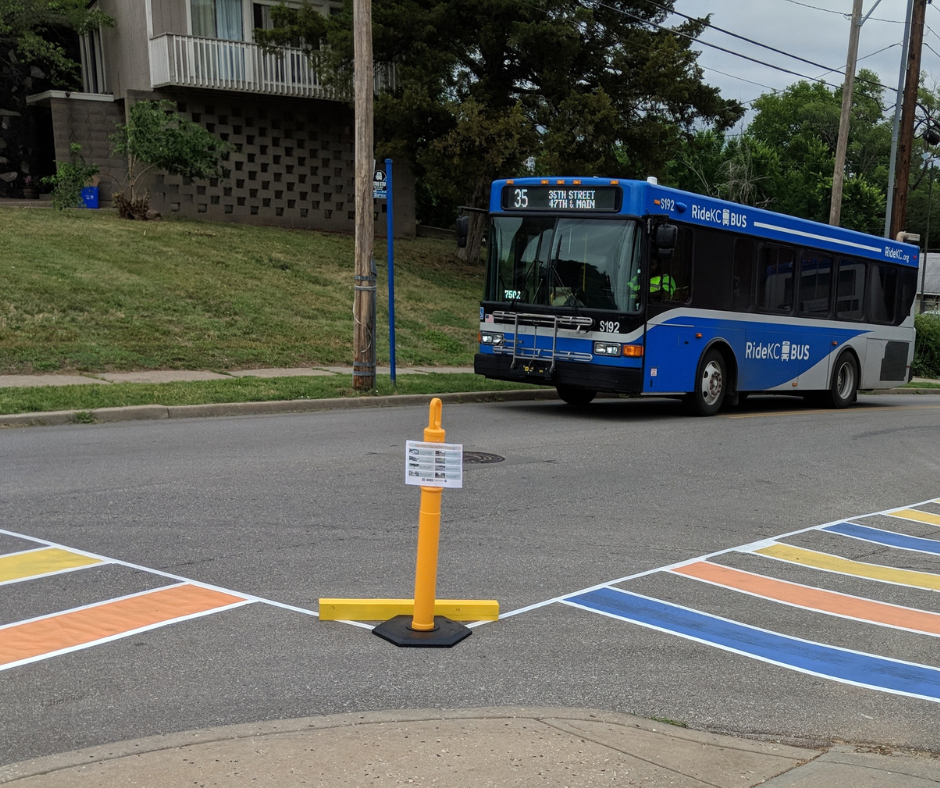
Colorful temporary crosswalks near a bus stop clearly indicate to drivers that pedestrians often cross at this intersection.

Crosswalks can increase pedestrian visibility and driver awareness in places where pedestrians commonly cross. This should only be in areas where this would increase safety even without a stoplight being present.
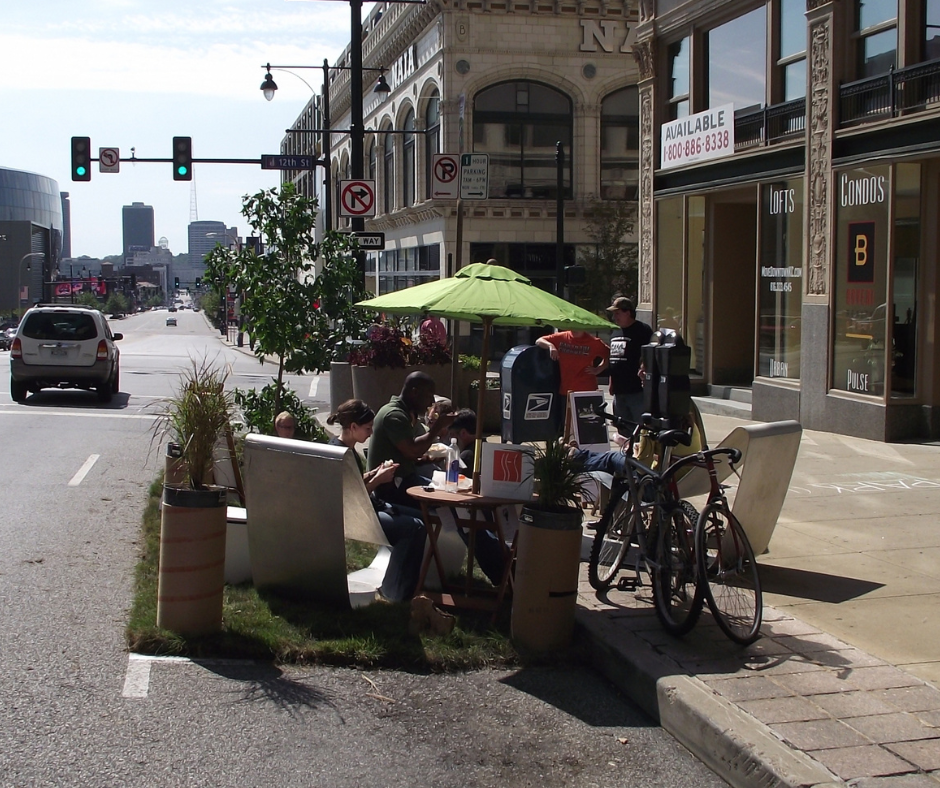
People are relaxing together and enjoying a car-parking spot that has been converted into a parklet, complete with a big shade umbrella, live plants, real sheets of sod, chairs, and small tables.

Pocket parks/parklets can beautify the neighborhood, provide a space for community to gather, give neighbors a place to rest as they walk, bus and bike the area.

Two adults watch a child decorate a temporary "bump-out" with chalk. The yellow portable curb stops and white reflective bollards force drivers to slow down before making a right turn. They also shorten the crossing distance for pedestrians using this crosswalk.

Pop-up traffic calming is a temporary installation that slows car traffic. One popular example is a curb bump-out. Bump-outs can make a dangerously wide intersection narrower, forcing drivers to slow down and making it less likely for a pedestrian or cyclist to be hit by a turning vehicle.
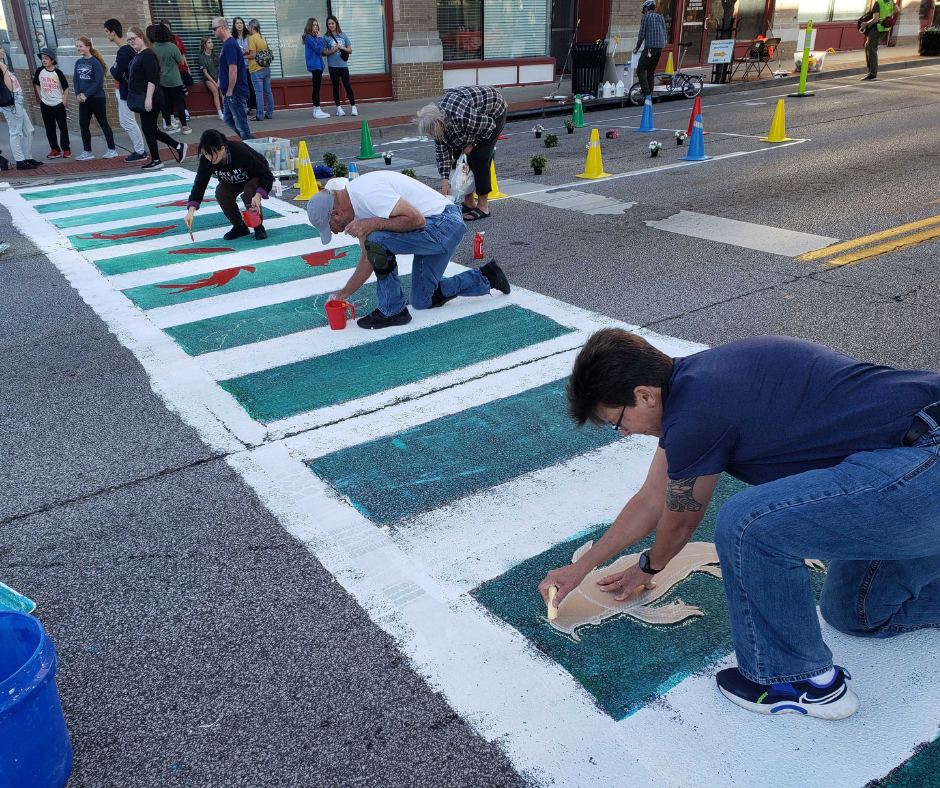
Volunteers paint a colorful crosswalk in a lively downtown area. The crosswalk is white and green with brightly colored fish.

Street art can increase multimodal visibility and become a symbol of a neighborhood where people live, not just a place to speed through.

A high-viz "SLOW! KIDS AT PLAY" signs warns drivers that they should reduce their speed to protect children in the neighborhood. In the background, a group of adults gather around a family and their lemonade stand.

Signs like “kids walk here!” or “look out for pedestrians” can create driver awareness of pedestrians, especially in school zones and areas where many vulnerable road users interact with car traffic. 
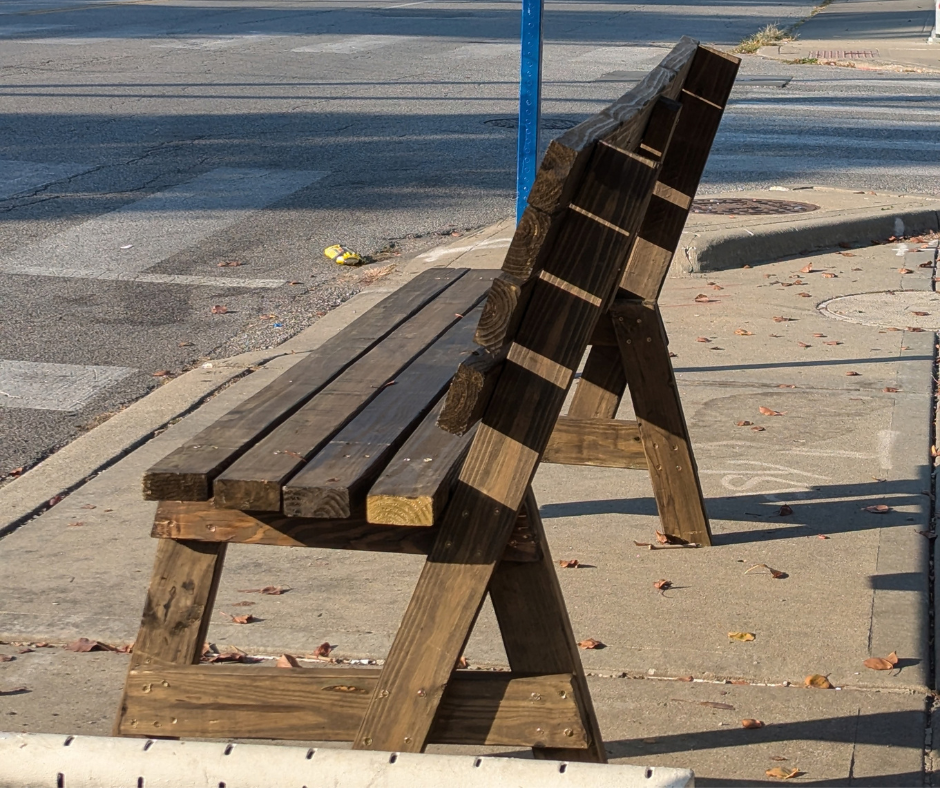
A homemade bench at a bus stop offers transit riders a place to rest while they wait for their bus.

Benches can offer a space for rest that makes all the difference for pedestrians and transit users. The precedence has been set by Sunrise Movement KC.
How to Plan Your Project

Find out what the people need and how they can support the project. The idea has to be championed by the community, so begin by talking with other neighbors, neighborhood groups, nearby schools etc to get a sense of what people want and who can contribute.

Select a site and analyze if that site makes sense for the kind of project you’re envisioning. This can be through a speed study, an informal or formal survey, or consulting experts (including BikeWalkKC!) on what’s safest and most appropriate. Some projects might not be safe for certain streets when the traffic volume, placement, and other factors don’t align.

See if a permit is needed. Some projects won’t require one, but blocking off a street in order to install your project will require a permit. Reaching out to your city’s Public Works Department is a good step.

If you need funds, look into sources of funding like AARP Community Challenge grants, Community Capital Neighborhoods Rising Funds, America Walks Community Change grants, Project for Public Spaces Community Placemaking grants, fundraising on social media, generous businesses and more. You can even host a bake sale!

Involve as many partners as you can! Even if they aren’t part of planning, they can donate supplies or snacks, or show up on the day of. This can include elected leaders, organizations, schools, businesses, artists, etc.

Use a few different methods to raise neighborhood awareness and recruit helpers. Post on social media, walk door-to-door to talk to people or leave a note, and post signs in the community center or on utility poles.

On the day of your build event

This will look different depending on the project, so check out the resources section below for specific procedural instructions! But general tips are:

  • Provide high viz vests or fluorescent t-shirts and discuss safety measures with everyone. 
  • Know your rights: if you have a permit, have the evidence printed out and ready.
  • Share why this project is important to you and the neighborhood, and ask your volunteers to share why it's important to them.
  • Play music, take snack breaks, and make it fun! 
  • Add art or other beautification to make it stand out and represent your community.
  • Use an email list, a social media group, a phone tree, or a group chat to keep everyone updated and involved.

Resources


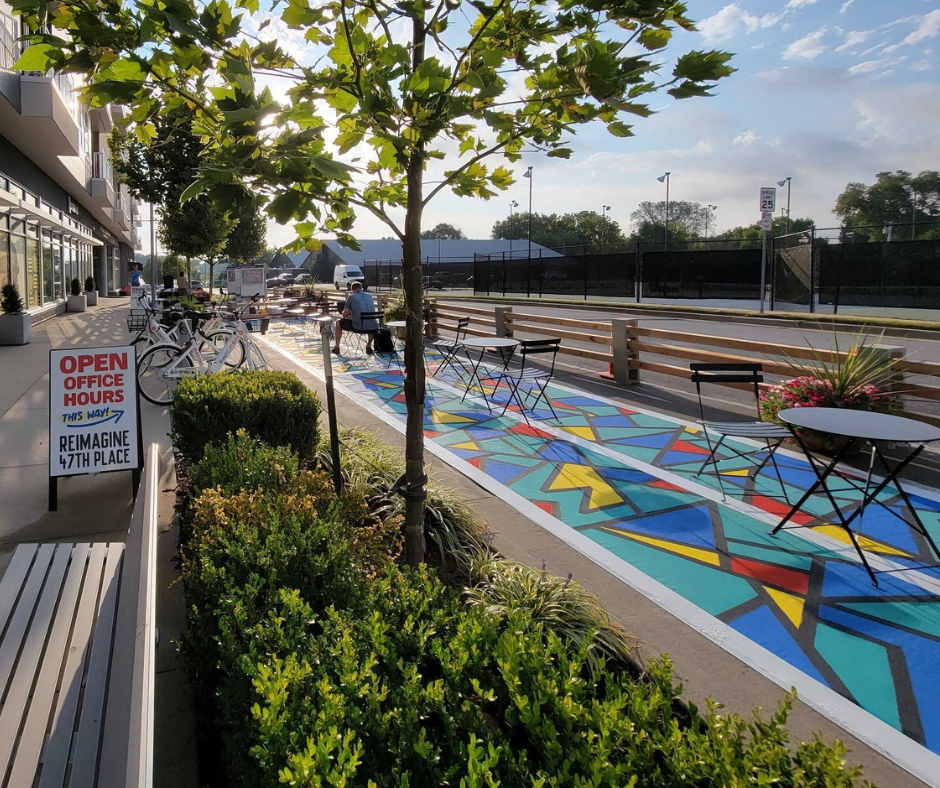
A temporary parklet slows down drivers, beautifies the street, and provides a colorful place for people to rest.

How-to guides


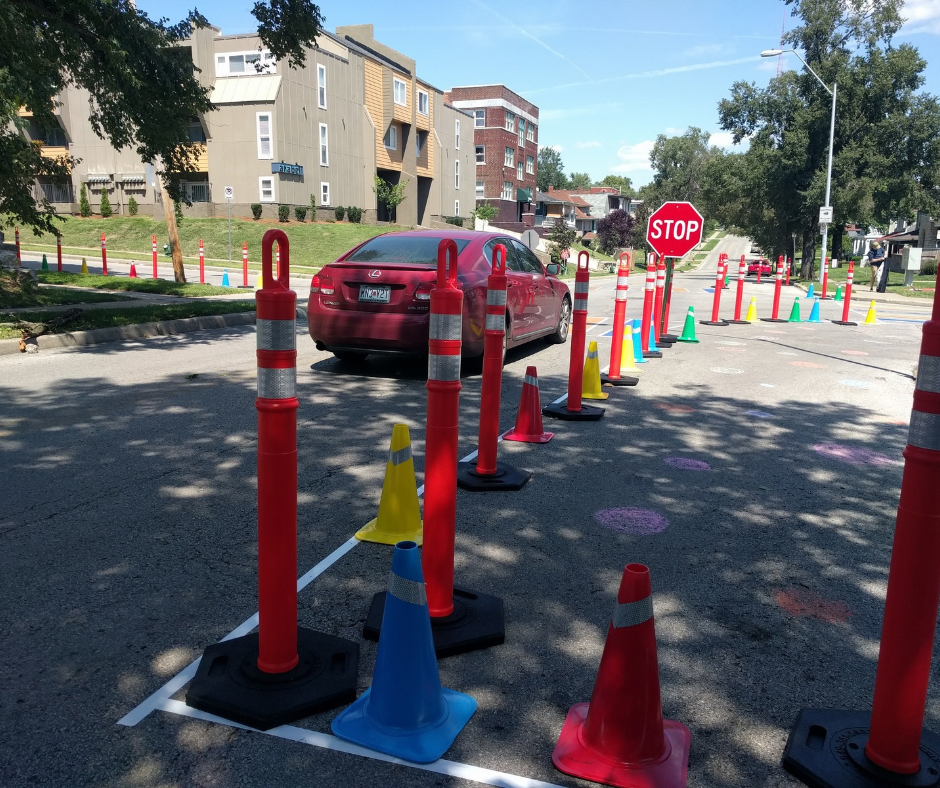
A driver stops at a temporary stop sign. The intersection has been narrowed using cones and tape.

Some useful materials and where to find them:

  • Old car tires, traffic cones, and hay bales make great barriers. The Habitat for Humanity ReStore offers low-cost building and painting supplies and furniture, and people on your neighborhood Buy Nothing Facebook group are begging you to help them clean out their garage.
  • Potted plants demonstrate how beautiful a permanent traffic calming installation could be. Local gardening stores and farming organizations like Missouri Department of Conservation or KCK Public Library Seed Library sometimes donate native plants.
  • Reflective tape can be found at your local hardware store. It is eye-catching and alerts night time road users to the new infrastructure. Neighborhood businesses and organizations have been known to donate supplies. Connect and make the ask! You can tag them on social media to show your appreciation, or even invite them to the build event.
  • Chalk paint is easy to apply and easy to remove when the pop-up is over. Johnson County Free Store is open to everyone, not just JoCo residents. This is a great source for free paint, glue, and craft supplies.
  • Stencils, masking tape, or yard sticks can make painting quick and consistent. ScrapsKC sells all kinds of used art and craft supplies - let your imagination run wild!
  • Corrugated plastic yard signs (like political signs) can be upcycled with paint or tape. Go for a walk after election day and collect all the signs you can find on public property.